
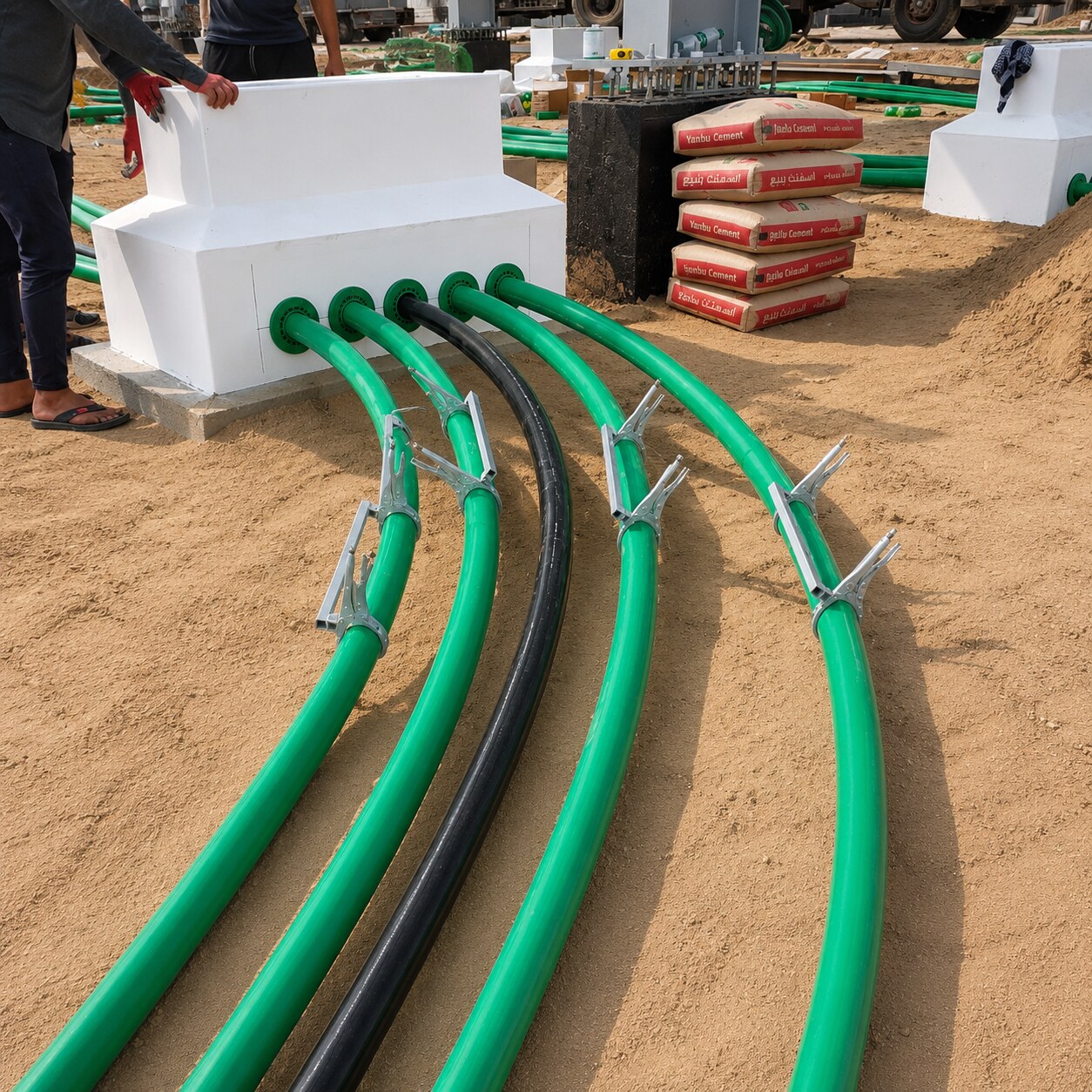
Fuel Piping System Design and Installation
Fuel-piping system design and installation connecting tanks, pumps and equipment, with network inspection and integrity testing before operation.
APMI provides fuel-piping system design and installation for commercial fuel stations and industrial projects, creating an integrated connection between storage tanks, pumps, filling and dispensing equipment and other system components.
The process begins with reviewing project requirements, drawings and site conditions. Pipe routes, connection points, line functions and suitable components are then determined according to fuel type, operational requirements and approved project specifications.
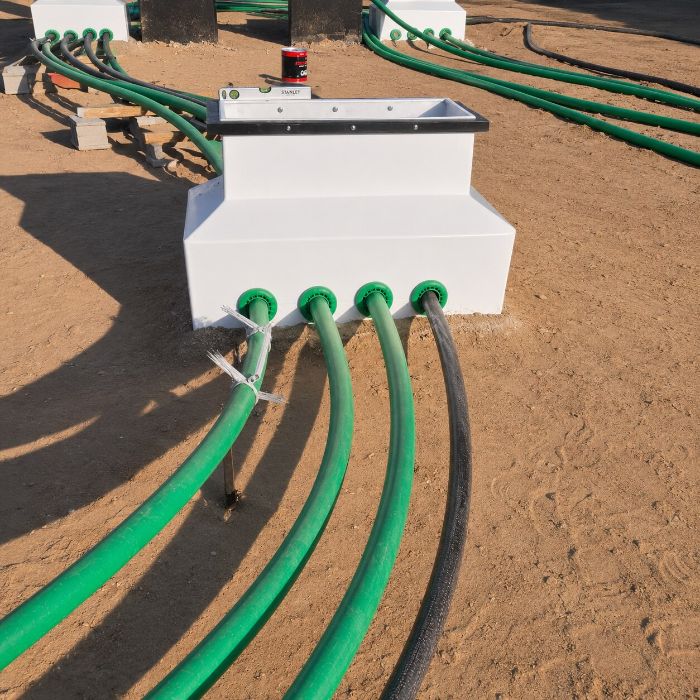
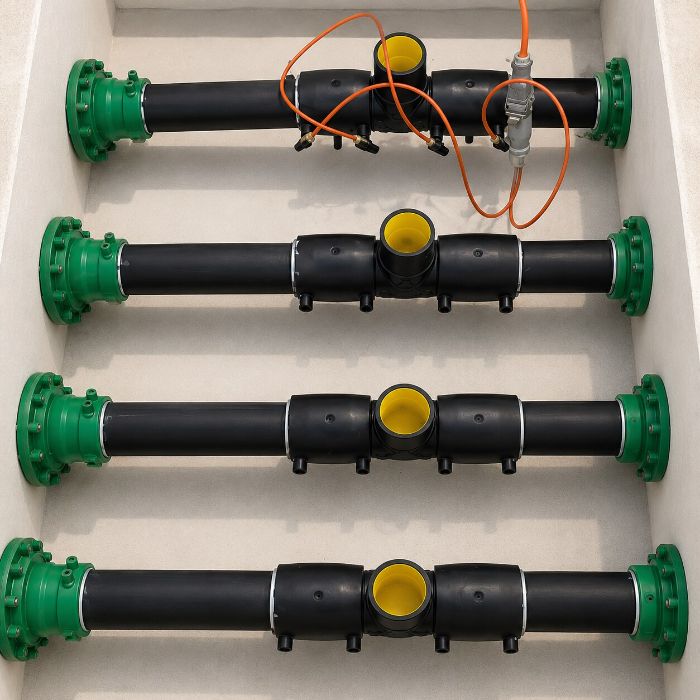
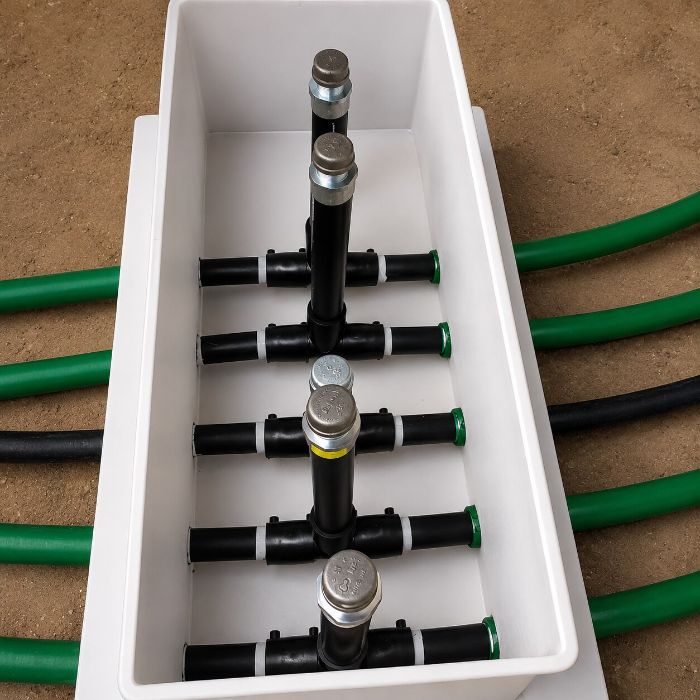
Depending on the system design, the scope may include filling, suction, vent and return lines, together with valves, fittings and accessories. The piping can also be connected to fuel tanks, pumps, equipment, measurement systems and monitoring devices.
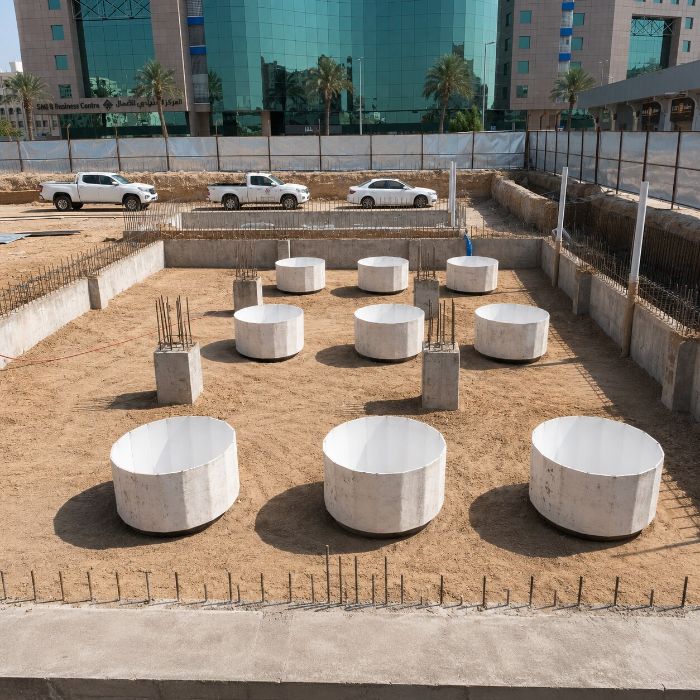
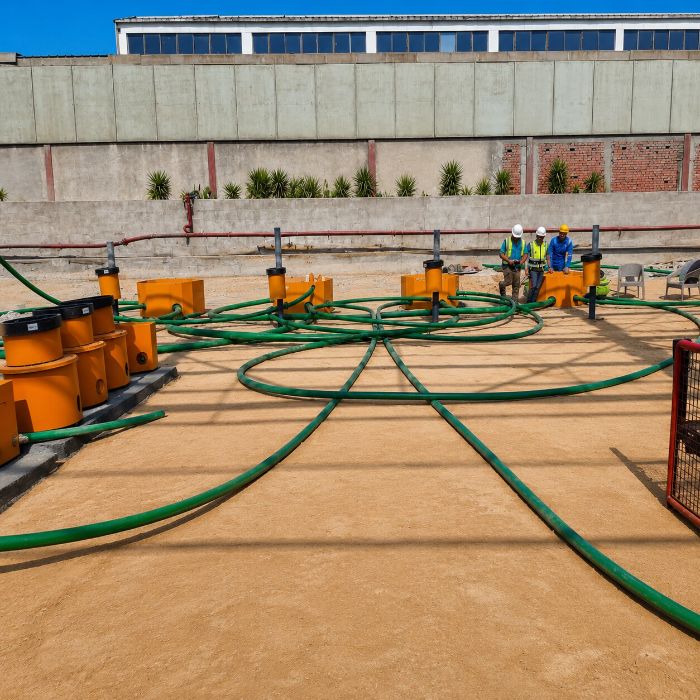
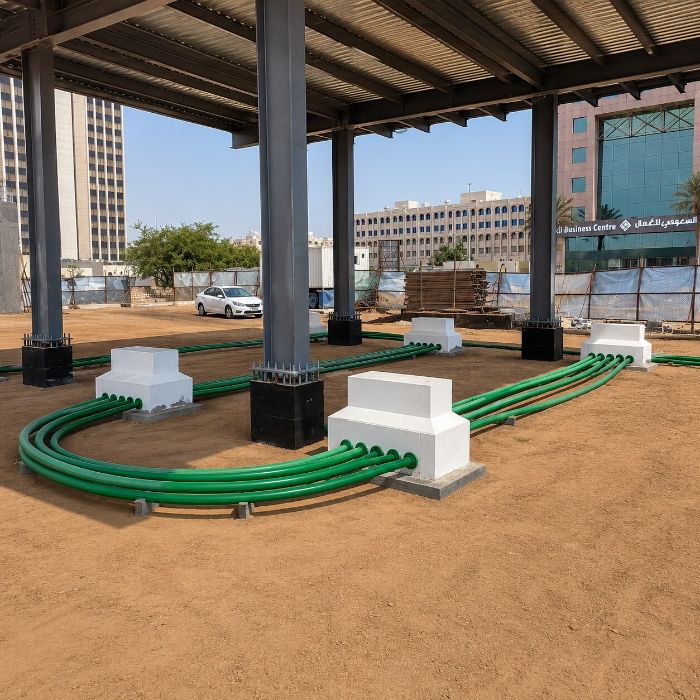
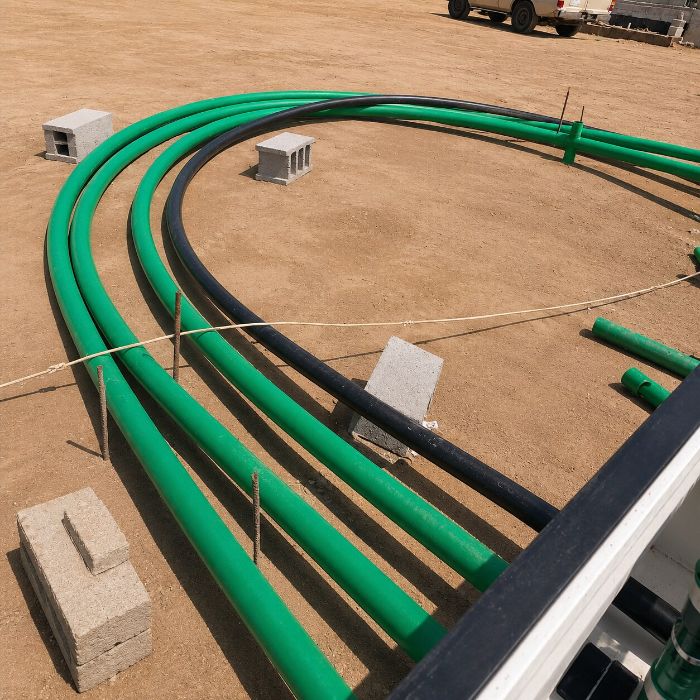
Site work may include trench preparation, pipe installation, supports, protection and backfilling according to the agreed project scope. After installation, connections are inspected, the network is tested for integrity and system integration is verified before operation and handover.
Why Choose Us
- Pipe-route planning based on operational requirements
- Piping and components selected for project specifications
- Installation of filling, suction, vent and return lines
- Integration with tanks, pumps and monitoring systems
- Connection inspection and fuel-network integrity testing
- Solutions for new projects and existing-station upgrades
Project Gallery